
Scanning Electron Microscope Roundup 2026
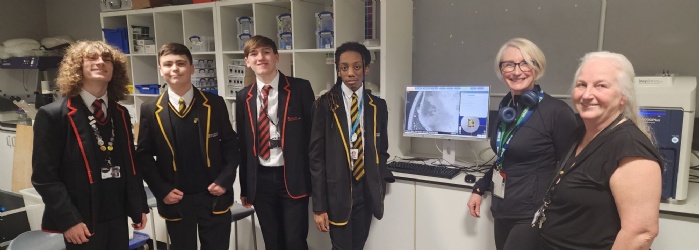
The Northern Schools Trust is committed to widening access to high-quality learning experiences that raise aspiration and unlock potential. Through the Scanning Electron Microscope (SEM) loaned to Liverpool Life Sciences UTC, we share specialist expertise, facilities and student leadership across the Trust, enabling pupils from Primary School through to Sixth Form to engage with authentic scientific research.
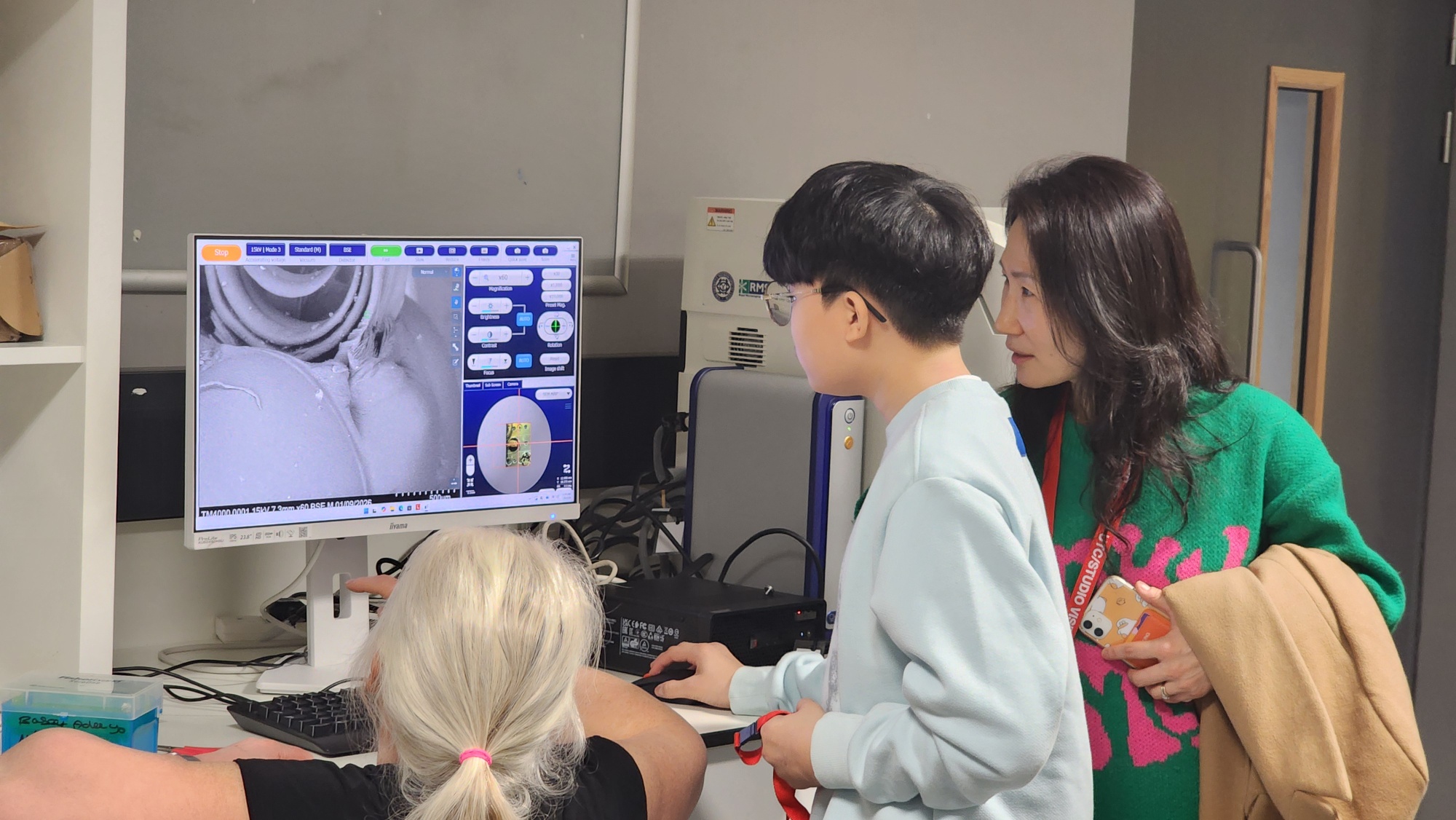
Between January and February 2026, Liverpool Life Sciences UTC led its fifth consecutive year with the SEM, creating high-impact scientific opportunities for pupils and students across the Northern Schools Trust.
Through careful planning, student leadership and strong partnerships, the SEM programme enabled learners from across the Trust to engage with University-level equipment, develop scientific confidence and experience what real research looks like in practice.
Opportunities for Trust Schools
Trust schools were able to access the SEM in a variety of ways, including structured visits, curriculum-linked sessions and supported enquiry activities. Primary School pupils were introduced to microscopy through guided investigations that prioritised curiosity, discussion and scientific vocabulary. Secondary and Sixth Form students engaged with more advanced imaging and analysis, directly supporting GCSE, A Level and EPQ learning.
A defining strength of the SEM programme is the way it enables pupils to access specialist equipment, research expertise and student-led support that would otherwise be unavailable within a school setting.
New Park Primary School
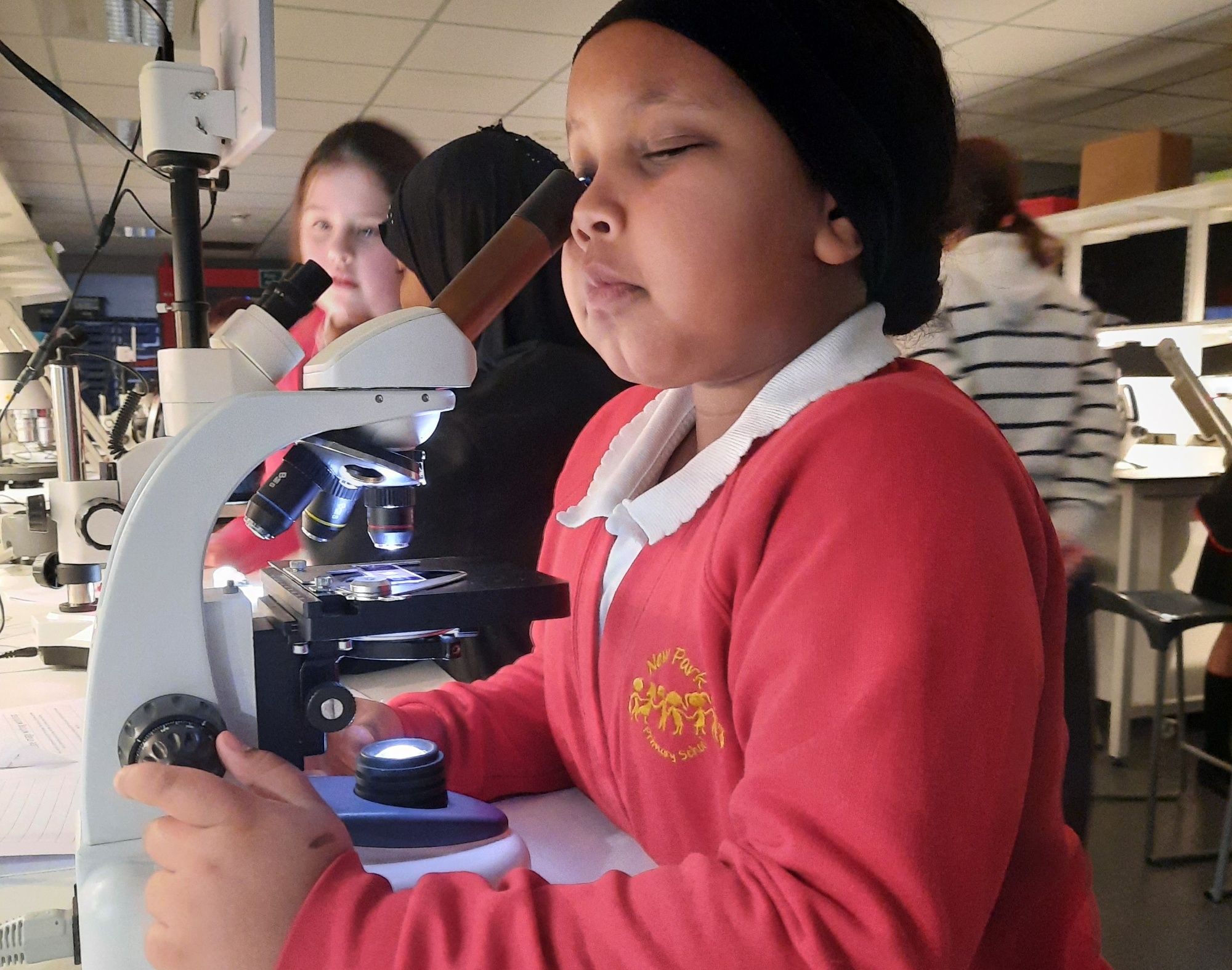
New Park pupils engaged with age-appropriate SEM sessions designed to spark curiosity and discussion. Guided by Liverpool Life Sciences UTC students, pupils explored natural samples and developed early scientific questioning skills.
Four Oaks Primary School
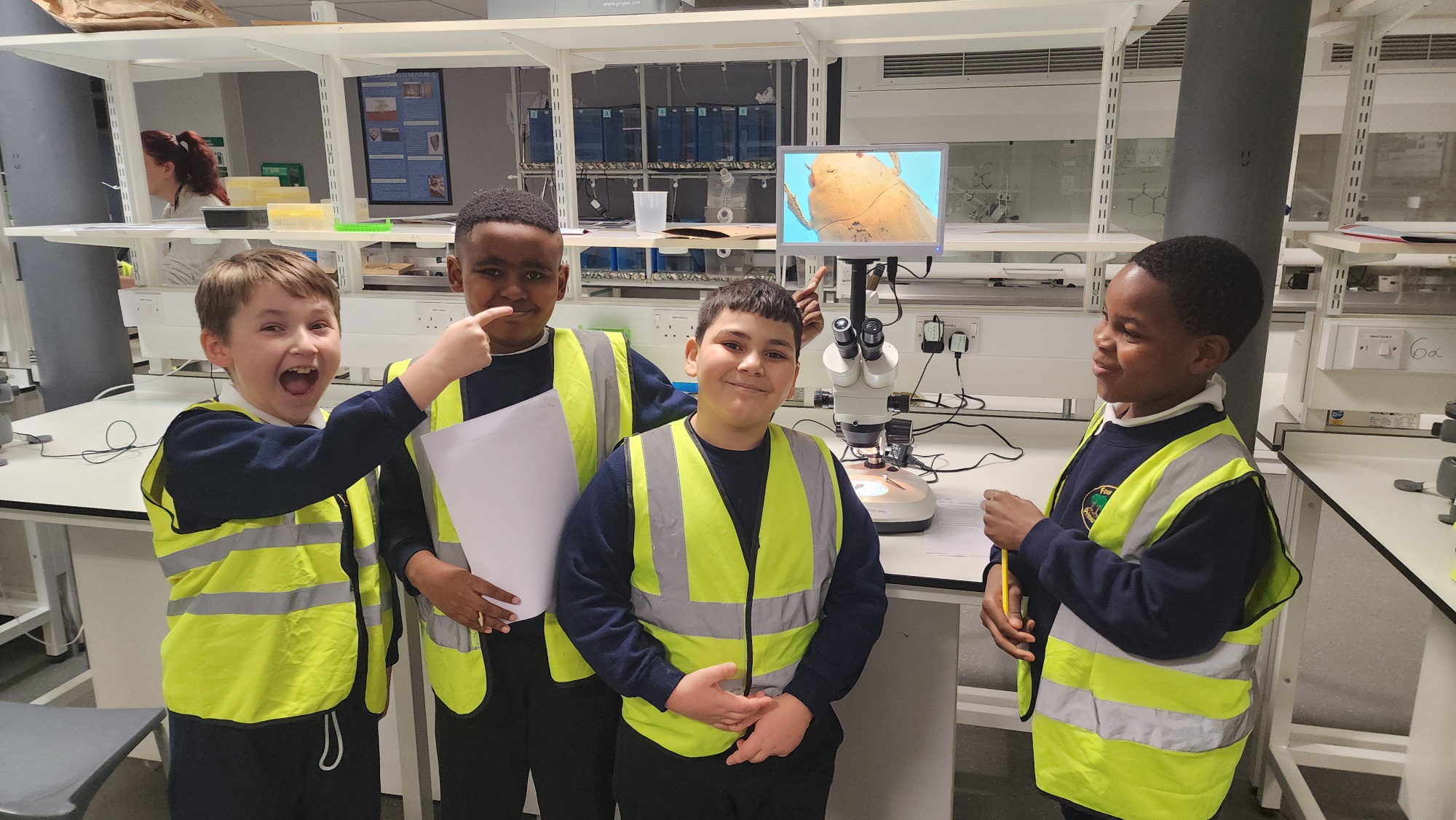
Pupils combined SEM investigations with structured writing activities, using scientific imagery to support vocabulary development, descriptive writing and explanation. The experience integrated science and literacy while introducing pupils to advanced scientific tools.
North Liverpool Academy
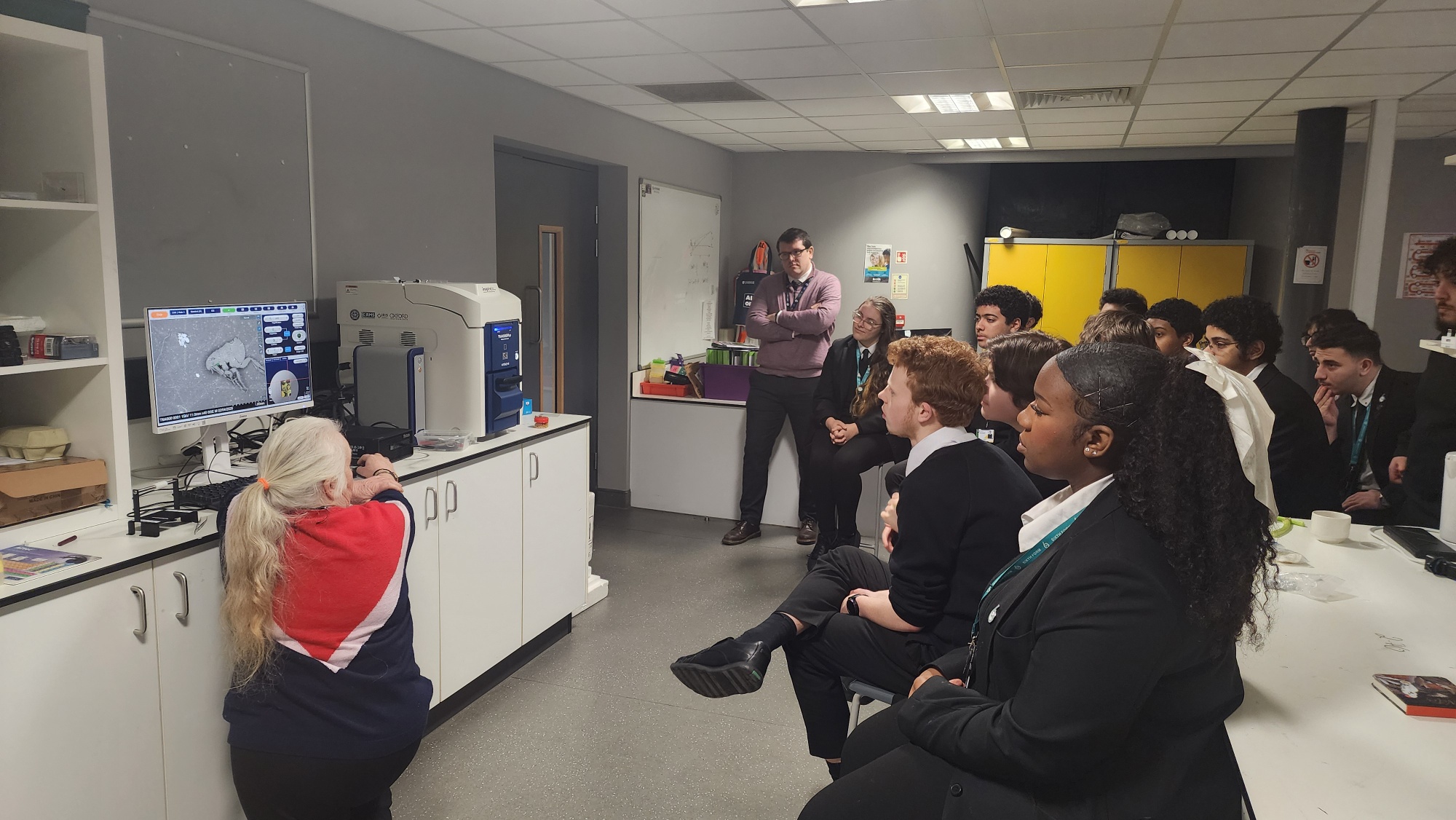
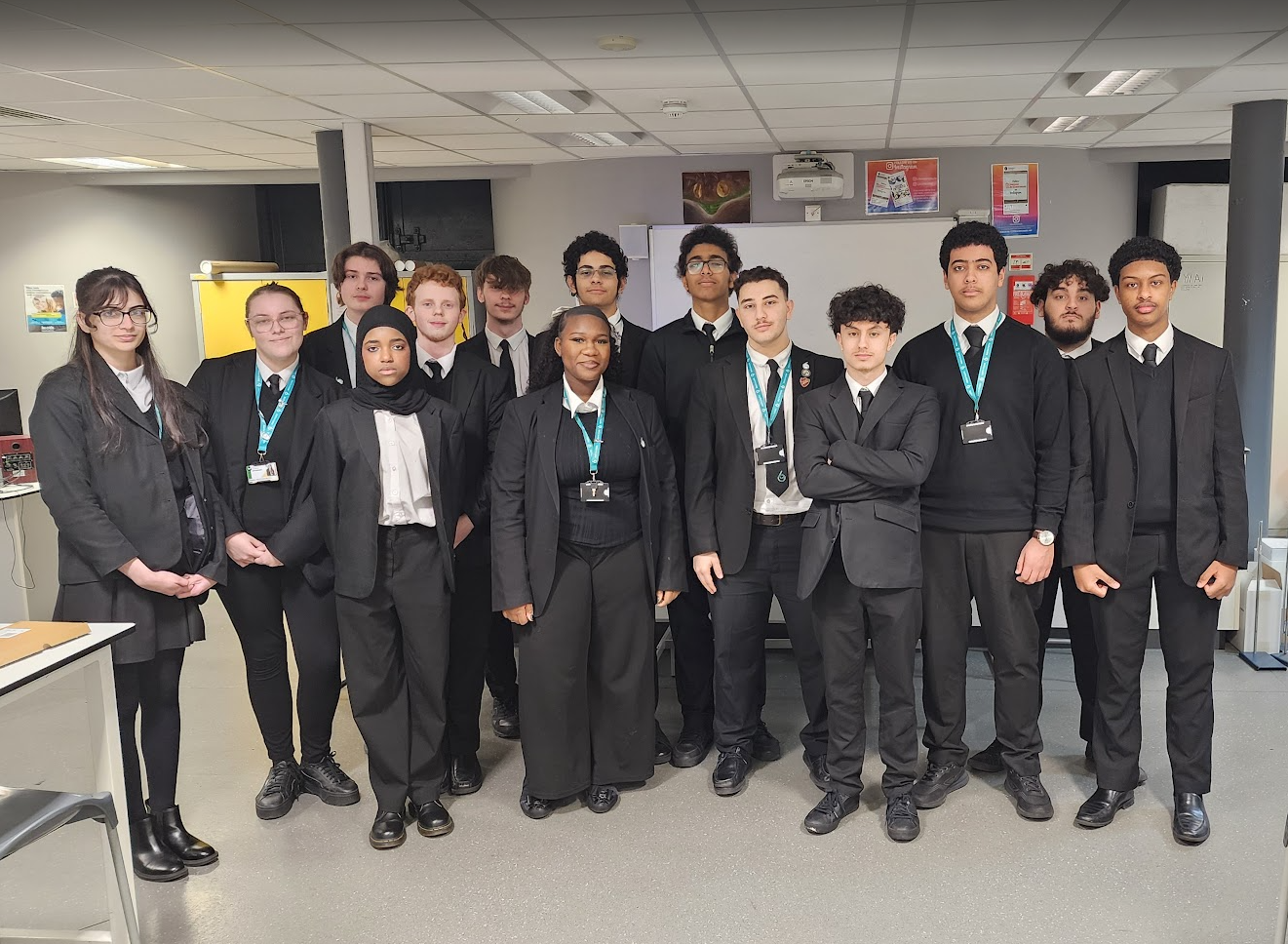

NLA students accessed the SEM through curriculum-linked A Level Biology visits, focusing on topics such as plant transport systems, spiracles and amyloplasts. These sessions allowed students to connect specification content directly to real biological structures, strengthening understanding and confidence.
Thomas Gray Primary School
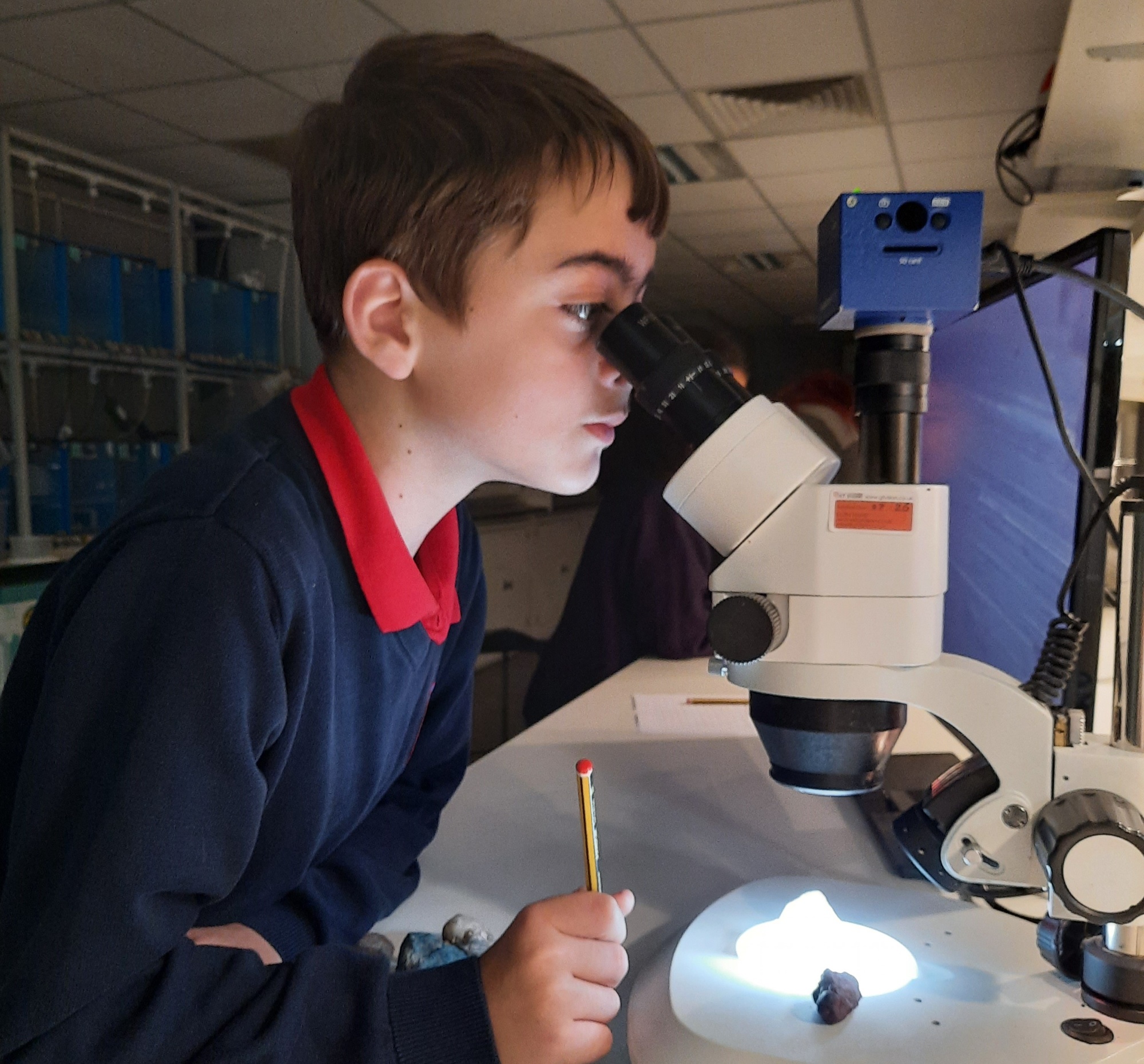
Students explored microscopic structures through enquiry-based SEM activities, supporting observational skills and early scientific reasoning within a supportive, aspirational environment.
Roscoe Primary School
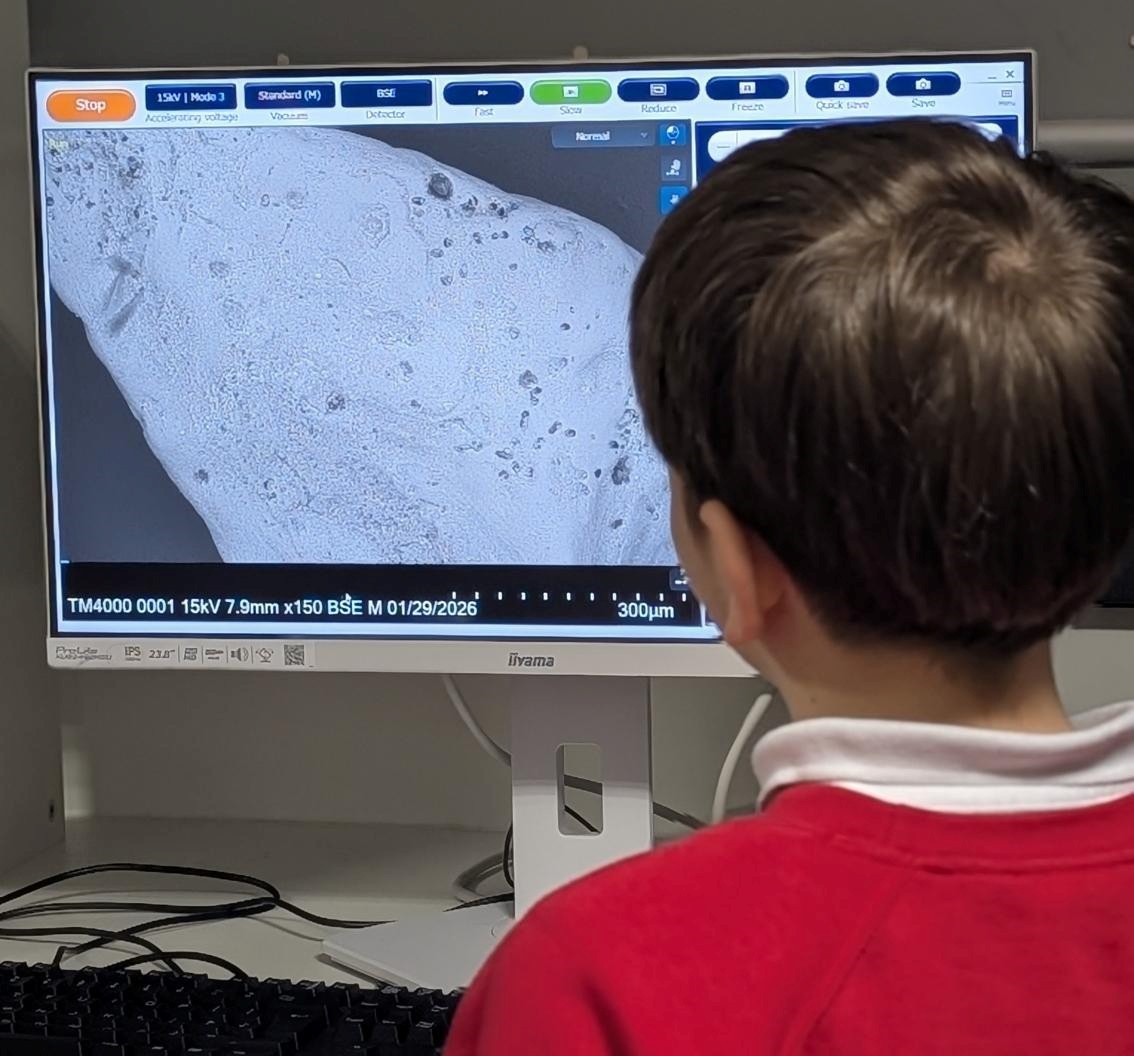
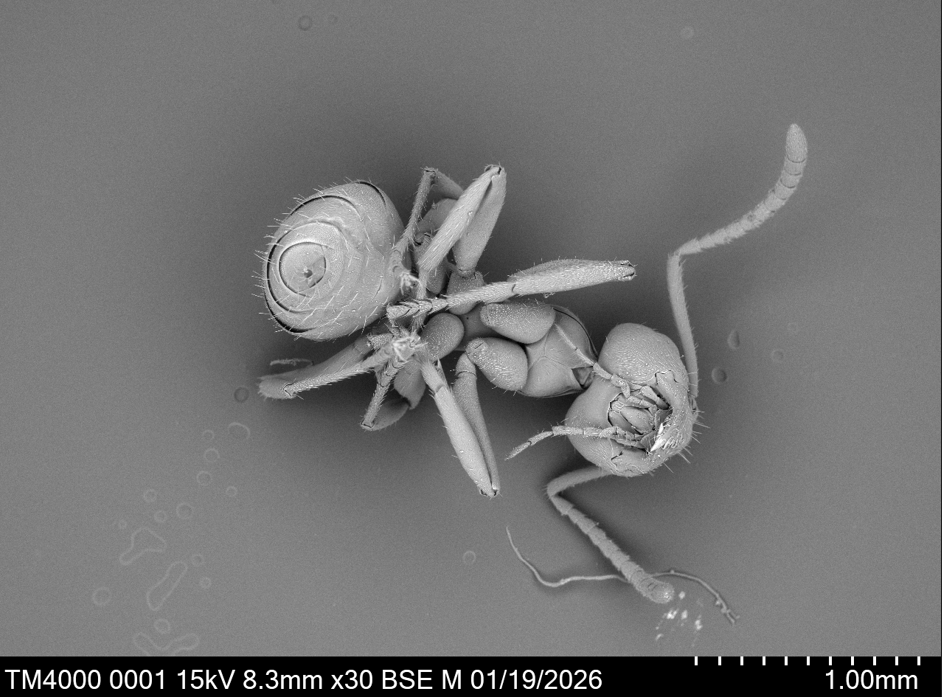
Roscoe pupils focused on comparisons between ‘big and small’ organisms, particularly insects. The session encouraged careful observation, scientific language and excitement about the unseen natural world. Roscoe students also completed multiple curiosity projects.
Independent Student Research
Alongside outreach activities, the SEM programme supported a substantial body of independent student research. Students used the SEM to design and carry out investigations across Biology, Chemistry, Art and Engineering based projects.
Projects included comparative studies of insect morphology, investigations into sustainable insulation materials, biomimicry research exploring the wettability of plant leaves, analysis of tyre wear and air pollution particulates, and conservation science through chemical analysis of historic paints.
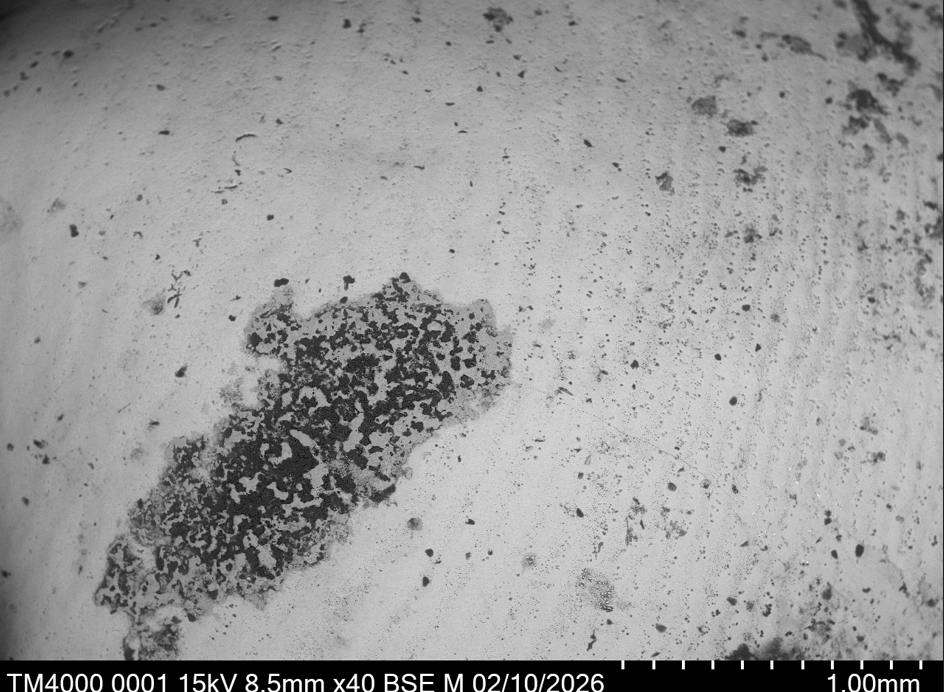
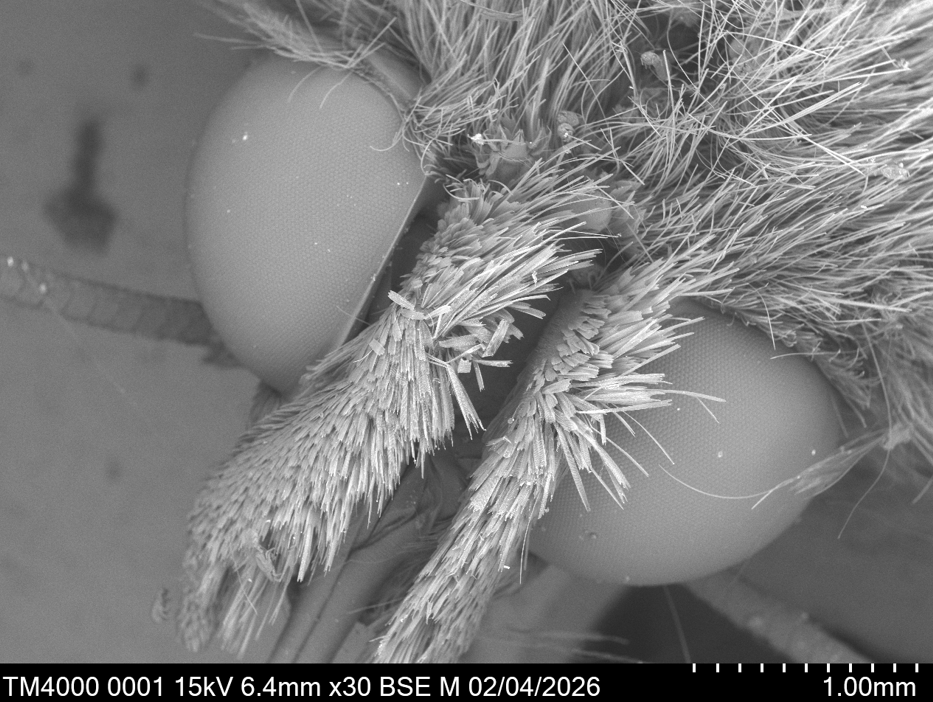
Several Extended Project Qualifications (EPQs) were supported, including biomedical research into tooth enamel decay and creative work using SEM imagery to inform conceptual fashion design.
These projects reflect Liverpool Life Sciences UTC’s research-led curriculum, where dedicated timetable time, Innovation Laboratories and expert staff enable students to ask original questions and generate meaningful data. Students develop skills in critical analysis, experimental design and scientific communication, contributing to strong academic outcomes and increased social mobility.
Collaboration with Academic Partners
The SEM programme is strengthened by an extensive network of academic and professional collaborators. During this half term, partners and collaborators include the Smithsonian Institution, The Society for the Protection of Ancient Buildings, University of Liverpool, Kew Gardens, the Royal Microscopical Society, the Natural History Museum, the Institute for Research in Schools, alongside industry specialists, artists and conservation organisations.
Through Trust-wide collaboration, independent student research and partnerships with leading institutions, the SEM programme demonstrates what is possible when schools work together to raise aspiration and access. The 2026 programme reinforced the Northern Schools Trust’s commitment to excellence, innovation and opportunity for all learners.